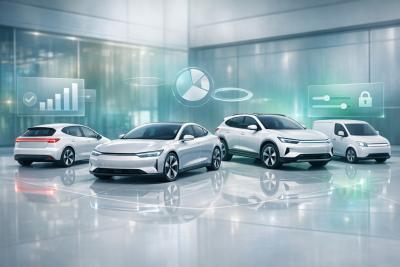
Recent industry coverage of upcoming electric vehicles points to a market that is no longer relying on a handful of premium models to carry demand. More brands are pushing into lower and mid-priced segments, while established manufacturers are expanding their electric line-ups to defend market share. That should be positive for households that have been waiting for more competition before committing to an EV loan.
However, more choice does not automatically mean a cheaper ownership outcome. A lower sticker price can be offset by shorter range, slower charging, higher insurance, limited servicing access or weaker resale expectations. Conversely, a higher-priced model may be easier to justify if it offers better efficiency, stronger warranty coverage or features that reduce the need for costly upgrades later.
That makes modelling repayments especially important before ordering. Buyers should test the vehicle price, deposit, trade-in value, loan term, fees and any balloon payment, then consider whether home charging costs or installation will be rolled into the finance. A repayment that looks manageable on the vehicle alone may feel different once registration, insurance, tyres and charging infrastructure are included.
The expanding pipeline also creates a timing question. Ordering early may secure a preferred specification or launch allocation, but waiting can sometimes reveal sharper drive-away pricing, lender promotions or competitor discounts. This is particularly relevant in the budget and compact SUV segments, where small price movements can make a noticeable difference to monthly repayments.
For used EV shoppers, the arrival of more new models may also put pressure on near-new prices. That can be helpful for value-focused buyers, but lenders may assess used EVs differently depending on age, kilometres, battery warranty and resale assumptions. It is worth checking whether the loan terms available on a used vehicle are still competitive against finance for a new model.
The practical message is clear: 2026 is shaping up as a stronger buyer’s market, but it rewards preparation. Rather than chasing the newest launch, EV buyers should compare range, running costs, warranty, resale outlook and loan structure together. With more models arriving, the best decision may come from slowing down, testing the numbers and taking time to compare finance options before signing.


No comments yet. Be the first to share your thoughts.