SHARE

Share this news item!

Australian Truck Industry Embraces Efficiency Amid Evolving Standards

Operators Prioritise Long-Term Gains Over Volume in 2026

Australian Truck Industry Embraces Efficiency Amid Evolving Standards?w=400

The information on this website is general in nature and does not take into account your objectives, financial situation, or needs. Consider seeking personal advice from a licensed adviser before acting on any information.

In 2026, the Australian truck industry is undergoing a significant transformation, with a pronounced shift towards long-term efficiency.
This change is driven by the implementation of Euro 6 emissions standards and a stabilising market following years of rapid growth.

The introduction of Euro 6 standards under ADR 80/04 has redefined regulatory requirements, prompting operators to focus on smarter, more efficient fleet operations. This includes strategic purchasing decisions and vehicle specifications aimed at enhancing overall efficiency.

Industry leaders from major manufacturers such as Isuzu, Scania, Hino, and Volvo have observed this trend. For instance, Isuzu has launched an all-new Euro 6 model range, emphasising practical efficiency through local customisation. This includes developing configurations tailored to Australian weight and stability demands, reflecting a commitment to meeting specific operational needs.

Scania has noted a shift in buyer behaviour, with operators moving away from extended replacement cycles towards shorter terms to optimise resale values and minimise downtime. This approach underscores a growing emphasis on total cost of ownership and operational intelligence.

Hino is leveraging its Euro 6-compliant Hybrid Electric 300 Series to bridge supply gaps, highlighting the role of hybrid technology in achieving efficiency goals. The company views hybrids as a practical solution that balances cost, range, and emissions considerations.

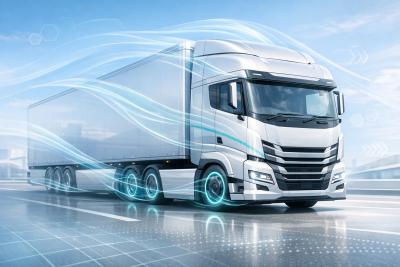
Volvo Group Australia is focusing on incremental improvements, such as aerodynamic cab designs and low rolling resistance tyres, to enhance fuel efficiency. Additionally, the company is investing in connected ecosystems to provide data-driven insights for smarter fleet management.

As the industry continues to evolve, the emphasis on efficiency is expected to drive innovation and strategic decision-making. Operators are encouraged to adopt practices that prioritise long-term gains, ensuring sustainability and competitiveness in a changing market landscape.

Published:Sunday, 29th Mar 2026
Author: Paige Estritori

Please Note: If this information affects you, seek advice from a licensed professional.

Share this news item:

Finance News

Escalating Fuel Prices Pose Challenges for Australian Trucking Sector
29 Mar 2026: Paige Estritori
The Australian trucking industry is currently navigating a challenging landscape, with escalating fuel prices significantly impacting operational costs and profitability. Fuel expenses, traditionally one of the top three costs for trucking businesses, have surged due to geopolitical tensions and market volatility. - read more
Proposed Fuel Tax Changes Could Double Costs for Australian Trucking Operators
29 Mar 2026: Paige Estritori
The Australian trucking industry is facing potential financial challenges following the Productivity Commission's proposal to phase out fuel tax credits. This change could effectively double the fuel tax paid by trucking operators, increasing the effective rate from 32.4 cents to 66.1 cents per litre by 2035. - read more
Australian Truck Industry Embraces Efficiency Amid Evolving Standards
29 Mar 2026: Paige Estritori
In 2026, the Australian truck industry is undergoing a significant transformation, with a pronounced shift towards long-term efficiency. This change is driven by the implementation of Euro 6 emissions standards and a stabilising market following years of rapid growth. - read more
New Government Initiative Offers Discounted Loans for Hyundai and Kia Electric Vehicles
28 Mar 2026: Paige Estritori
The Australian federal government, through the Clean Energy Finance Corporation (CEFC), has announced a partnership with Hyundai Capital Australia (HCAU) to provide discounted financing options for electric vehicles (EVs) from Hyundai and Kia. This initiative aims to make EV ownership more affordable for both private individuals and small business owners. - read more
Federal Government Reviews Electric Vehicle Tax Incentives Due to Rising Program Costs
28 Mar 2026: Paige Estritori
The Australian federal government is currently evaluating potential changes to tax incentives for electric vehicles (EVs) in response to escalating program costs. This review may lead to restrictions on benefits for higher-priced EVs, aiming to ensure the sustainability of the incentives. - read more

Get a Quote


All quotes are provided free and without obligation by a specialist from our national broker referral panel. See our privacy statement for more details.