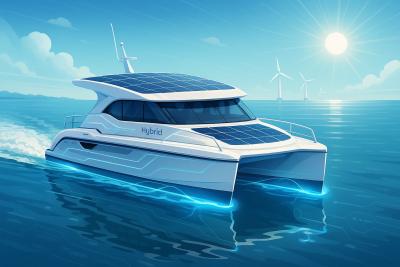
Hybrid propulsion systems, which combine traditional internal combustion engines with electric motors and battery storage, have gained substantial traction. In the 6-8 metre boat category, these systems now account for nearly 15% of new boat sales, a notable increase from just 3% in 2023. This surge is driven by both regulatory pressures and consumer demand for greener alternatives.
In Europe, certain zones restrict access to national parks for vessels equipped with diesel engines, prompting manufacturers to develop hybrid models that comply with stringent emission standards. Australian boat builders are following suit, recognizing the need to offer environmentally friendly options to meet evolving market expectations.
Advancements in solar technology are also transforming the marine sector. Modern boats are being designed with solar panels integrated into their hulls, providing an unlimited range as long as sunlight is available. This innovation allows boaters to operate their vessels without relying solely on traditional fuel sources, reducing both operational costs and environmental impact.
Currency fluctuations have further influenced the market dynamics. With the current exchange rates, Australian listings have become more attractive to both local and international buyers. The cost savings associated with favorable currency conditions can offset expenses such as freight, duty, and GST, making Australian boats a competitive option in the global marketplace.
Innovative sales approaches are also emerging within the industry. For instance, some companies are pioneering boat auctions at major boat shows, mirroring successful strategies from the real estate sector. This method requires genuine vendors ready to finalize deals, with structured terms such as a 10% deposit on the day and a five-day settlement period.
Looking ahead, the convergence of larger vessels, advanced technology, and innovative sales methods creates a promising environment for sustained growth in Australia's marine industry. The commitment to sustainability and the adoption of hybrid propulsion systems position the sector to meet the challenges of environmental responsibility while catering to the evolving preferences of modern boaters.


