What are the main types of business loans in Australia?
The information on this website is general in nature and does not take into account your objectives, financial situation, or needs. Consider seeking personal advice from a licensed adviser before acting on any information.
Understanding business loans in Australia
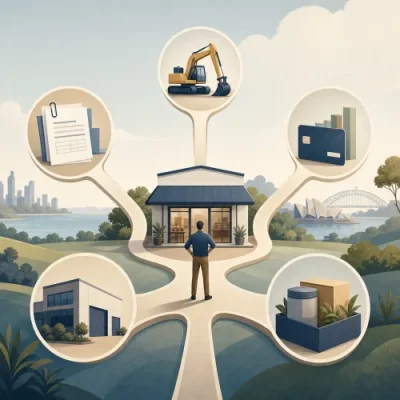
Business loans in Australia come in several forms, and the right structure depends on what the business needs the money for, how quickly the funds are needed, how predictable the cash flow is and what security the business or its owners can offer.
Some loans are designed for a one-off purchase, such as equipment or a commercial vehicle. Others are built for ongoing working capital, seasonal cash flow gaps or covering invoices before customers pay. There are also secured and unsecured options, each with different risk, documentation and pricing considerations.
This guide explains the main types of business loans available in Australia and how they are commonly used. It is general information only and does not take into account your business objectives, financial situation or needs. Lender approval, interest rates, fees, loan amounts and terms depend on individual circumstances and provider criteria.
For broader loan education across personal and business finance, you can also explore Internet Loans Australia.
Business loan types at a glance
| Loan type | How it generally works | Common business uses |
|---|---|---|
| Business term loan | A lump sum is borrowed and repaid over an agreed term, usually with regular repayments. | Expansion, renovations, stock purchases, marketing, hiring, or refinancing business debt. |
| Business line of credit | A revolving credit facility lets the business draw funds up to an approved limit and repay as needed. | Cash flow gaps, seasonal expenses, supplier payments, emergency working capital. |
| Equipment finance | Finance is linked to a specific asset, such as machinery, vehicles or tools. | Buying, replacing or upgrading productive business assets. |
| Invoice finance | Funding is advanced against eligible unpaid customer invoices. | Improving cash flow while waiting for customers to pay invoices. |
| Secured business loan | The loan is supported by security, such as business assets, equipment, property or another acceptable asset. | Larger funding needs, lower-risk borrowing structures, longer-term investment. |
| Unsecured business loan | No specific asset is provided as security, although guarantees or other conditions may still apply. | Shorter-term working capital, smaller projects, urgent business expenses. |
| Commercial property loan | Finance is used to buy, refinance or improve property used for business or investment purposes. | Purchasing premises, expanding locations, refinancing commercial property debt. |
| Asset refinance | Existing business assets are used to release capital or restructure existing finance. | Freeing up working capital, refinancing equipment debt, improving cash flow flexibility. |
Business term loans
A business term loan is one of the more familiar forms of business finance. The lender provides a lump sum, and the business repays that amount over a set period. Repayments may be weekly, fortnightly or monthly depending on the lender and loan terms.
Term loans can be secured or unsecured. A secured business loan may involve security such as equipment, vehicles, commercial property or other acceptable assets. An unsecured business loan does not rely on a specific asset as security, but the lender may still require a director's guarantee, business financial information or other risk checks.
Business term loans are often used for defined projects, such as:
- buying stock or inventory;
- funding renovations or fit-outs;
- expanding into a new location;
- investing in marketing or technology;
- refinancing existing business debt;
- supporting a growth project with predictable costs.
The advantage of a term loan is structure. The business knows the repayment schedule and can plan around it. The limitation is that it may be less flexible than a revolving facility if the business needs to draw funds repeatedly over time.
Business lines of credit and overdrafts
A business line of credit is a flexible finance facility that gives access to funds up to an approved limit. Instead of taking the whole amount upfront, the business can draw funds when needed and repay them as cash becomes available. Interest is generally charged on the amount used, not the entire approved limit, although fees and conditions vary by provider.
Business overdrafts work in a similar cash flow support role, usually connected to a transaction account. They can help cover short-term timing gaps, but may come with establishment fees, line fees, interest costs and review conditions.
A business line of credit may suit businesses with uneven income or expenses, such as seasonal retailers, trades, wholesalers or businesses that need to pay suppliers before receiving customer payments. It is commonly used for:
- short-term cash flow management;
- covering wages or supplier invoices while waiting for revenue;
- buying stock ahead of busy periods;
- handling unexpected expenses;
- bridging temporary gaps between outgoing and incoming cash.
The flexibility can be valuable, but it also requires discipline. Because the facility can be redrawn, businesses should monitor usage carefully and avoid treating short-term working capital as a substitute for sustainable cash flow.
Equipment finance
Equipment finance is designed to help a business purchase or access equipment, vehicles, machinery or other productive assets. The asset being financed is often central to the loan structure, and in many cases it may act as security for the finance.
Australian businesses may consider equipment finance for assets such as:
- commercial vehicles, utes, trucks or vans;
- medical, dental or hospitality equipment;
- construction machinery or tools;
- manufacturing equipment;
- office technology or specialised business systems;
- agricultural machinery.
The main appeal is that the business may be able to acquire an asset without paying the full cost upfront. This can help preserve working capital for wages, stock, rent and other operating expenses.
Before choosing equipment finance, consider the useful life of the asset, likely maintenance costs, insurance needs, whether the asset may become outdated, and what happens at the end of the finance term. Tax treatment can vary depending on the structure and your circumstances, so businesses should seek professional tax advice where relevant.
Invoice finance
Invoice finance allows a business to access funding based on eligible unpaid invoices. Instead of waiting for customers to pay, the business may receive a portion of the invoice value earlier, with the balance adjusted when the customer pays, less fees and charges.
This type of finance is commonly used by businesses that invoice other businesses and have reliable debtors but long payment terms. It can be relevant for industries where 30, 60 or longer payment cycles create pressure on cash flow.
Invoice finance is usually used for working capital rather than long-term investment. It may help with:
- paying staff while waiting for customer payments;
- buying materials for the next job;
- covering supplier invoices;
- managing growth when sales are increasing but cash is tied up in receivables.
Key considerations include which invoices are eligible, whether customers are notified, how fees are calculated, what happens if customers pay late, and whether the facility depends on the quality of the business's debtor book.
Secured business loans
A secured business loan uses an asset as security for the lender. Security may include business equipment, vehicles, commercial property, residential property, cash deposits or other assets accepted by the lender. The exact security requirements vary widely.
Because the lender has recourse to an asset if the borrower defaults, secured business loans may support larger loan amounts or longer terms than some unsecured options. However, using security increases the consequences of non-payment. If the business cannot meet its obligations, the secured asset may be at risk.
Secured business loans may be used for:
- major expansion projects;
- buying commercial property;
- large equipment purchases;
- refinancing business debt;
- longer-term working capital needs.
Before offering security, business owners should understand what is being secured, whether personal guarantees are involved, and how default could affect business and personal assets.
Unsecured business loans
An unsecured business loan does not require a specific asset to be pledged as security. This can make the application process simpler in some cases, particularly where a business does not own suitable assets or does not want to tie a loan to a specific asset.
Unsecured business loans are often used for shorter-term needs such as working capital, smaller projects, marketing, minor renovations, stock purchases or urgent expenses.
However, unsecured does not mean risk-free. Lenders still assess the business's ability to repay and may require business trading history, bank statements, financial records, director information or guarantees. Interest rates, fees and repayment terms may reflect the lender's assessment of risk.
When comparing unsecured business loans, look beyond the headline repayment amount. Consider establishment fees, ongoing fees, early repayment conditions, default costs, repayment frequency and whether the loan term suits the purpose of the borrowing.
Commercial property loans
A commercial property loan is used to buy, refinance or improve property connected with business or investment activity. This may include offices, warehouses, retail premises, consulting rooms, industrial units or mixed-use properties.
Commercial property finance can be more complex than standard business working capital finance. Lenders may assess the property type, location, lease arrangements, business income, borrower structure, deposit or equity position, and whether the property will be owner-occupied or leased to tenants.
Businesses may use commercial property loans to:
- buy premises instead of renting;
- expand into a larger site;
- refinance existing commercial property debt;
- fund property improvements or fit-outs.
Because loan size, security and repayment commitments can be significant, it is important to stress-test repayments and consider property costs such as rates, insurance, maintenance, body corporate fees and vacancy risk where relevant.
Asset refinance
Asset refinance allows a business to use an existing asset to access funds or restructure debt. For example, a business may refinance equipment it already owns or replace an existing asset finance arrangement with a new facility.
This can be useful where a business has valuable assets but needs additional working capital. It may also help consolidate or reorganise finance arrangements. However, refinancing can extend debt obligations and may involve break costs, establishment fees or changes to the overall cost of finance.
Before refinancing, compare the total cost of the new arrangement with the existing one. A lower repayment is not always cheaper if the loan term is extended or additional fees apply.
How flexible loan terms can support business cash flow
The original focus of this guide was flexible loan terms, and that remains an important part of choosing a business loan. Flexibility can include repayment frequency, redraw access, the ability to make extra repayments, seasonal repayment structures, interest-only periods or adjustable loan terms.
Flexible loan terms may help a business align repayments with revenue cycles. For example, a seasonal business may prefer a facility that supports working capital during quieter months and allows faster repayment when revenue increases. A business investing in equipment may need repayments that reflect the time it takes for the asset to generate income.
Flexibility can be useful, but it should be assessed alongside cost. Some flexible features may come with higher rates, fees or conditions. Others may reduce pressure on short-term cash flow but increase the total amount paid over the life of the loan. The right balance depends on the business's cash flow, risk tolerance and purpose for borrowing.
What lenders commonly assess
Business loan assessment varies by lender and product type, but lenders commonly consider whether the business can repay the loan without creating unsustainable financial pressure. They may review:
- business revenue and trading history;
- cash flow and bank account conduct;
- profit and loss information or financial statements;
- existing business debts and repayment commitments;
- tax position and Australian Business Number details;
- director or owner credit history;
- industry, customer concentration and business stability;
- available security or guarantees, where required;
- the purpose of the loan and how the funds will be used.
Documentation requirements may be lighter for some small or short-term facilities and more detailed for larger, secured or property-backed lending. Having current financial records, tax information, bank statements and a clear explanation of the loan purpose can make it easier to compare options and respond to lender questions.
How to compare business loan options
Choosing between business loan types is not only about the interest rate. A suitable structure should match the business purpose, repayment capacity and likely cash flow pattern.
Key comparison questions include:
- What is the loan for? A one-off asset purchase may suit equipment finance or a term loan, while recurring cash flow gaps may suit a line of credit.
- How long will the benefit last? Try to avoid using long-term debt for short-lived expenses unless there is a clear cash flow reason.
- Is security available? Secured business loans may offer different terms, but the asset at risk must be understood.
- How predictable is revenue? Businesses with uneven income may need more flexible repayment structures.
- What is the total cost? Consider interest, establishment fees, monthly fees, line fees, early repayment costs and default fees.
- Can the business manage repayments if conditions change? Stress-test repayments against slower sales, late customer payments or higher operating costs.
Before committing, it can be useful to estimate repayment scenarios using the available loan calculators. Calculators are only a guide and do not confirm eligibility, pricing or approval, but they can help businesses think through repayment capacity and borrowing assumptions.
Preparing to apply for a business loan
A well-prepared application can help a lender understand the business and the purpose of the borrowing. It can also help the business owner compare offers more confidently.
Useful preparation steps include:
- Define the funding purpose. Be clear about whether the money is for working capital, equipment, stock, expansion, refinancing or property.
- Estimate the amount required. Borrowing too little may leave the project underfunded, while borrowing too much can increase repayment pressure.
- Review cash flow. Check whether expected income can support repayments, including during quieter periods.
- Gather documents. Depending on the lender, this may include bank statements, financial statements, tax information, BAS, invoices, asset details or a business plan.
- Compare loan structures. Consider whether a term loan, line of credit, equipment finance, invoice finance or secured loan best matches the need.
- Read the terms carefully. Check fees, repayment frequency, early repayment rules, security, guarantees and default provisions.
If the structure is complex, or if multiple facilities are being compared, business owners may wish to seek professional support. The brokers page may be a useful starting point for understanding when a broker could assist with comparing business finance structures.
Common pitfalls to avoid
Business finance can be useful when it supports a clear commercial purpose, but it can also create pressure if the wrong structure is chosen. Common mistakes include:
- Using short-term finance for long-term problems. A line of credit can help with timing gaps, but it may not fix an unprofitable business model.
- Focusing only on the interest rate. Fees, repayment frequency, loan term and flexibility can materially affect the total cost.
- Ignoring security and guarantees. Business owners should understand whether personal or business assets are at risk.
- Borrowing without a repayment plan. The expected business benefit should be realistic and connected to cash flow.
- Overlooking tax and accounting implications. Finance structures can affect record keeping and tax treatment, so professional advice may be needed.
- Not communicating early if cash flow changes. If repayment pressure emerges, speaking with the lender early may provide more options than waiting until arrears occur.
Which business loan type may suit different needs?
There is no single business loan type that suits every Australian business. A cafe buying a delivery vehicle, a builder waiting on invoice payments, a retailer stocking up before Christmas and a professional services firm buying premises may all need different finance structures.
As a general guide:
- For predictable one-off projects, a business term loan may be worth comparing.
- For recurring cash flow gaps, a business line of credit or overdraft may provide more flexibility.
- For vehicles, machinery or tools, equipment finance may align the loan with the asset being purchased.
- For unpaid customer invoices, invoice finance may help bring forward cash flow.
- For larger funding needs, secured business loans or commercial property finance may be relevant, depending on available security and purpose.
- For smaller or faster working capital needs, unsecured business loans may be considered, subject to lender criteria and cost.
The most suitable option depends on the business's financial position, industry, cash flow, loan purpose, security, documentation and appetite for risk. Comparing the structure, total cost and repayment obligations is usually more useful than choosing a loan type by name alone.
Published: Friday, 8th Nov 2024
Author: Paige Estritori
No comments yet. Be the first to share your thoughts.